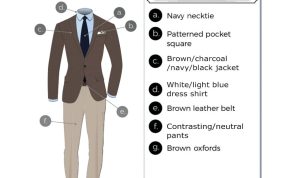
Jeans and Trousers Trends for Men and Women take center stage as fashion enthusiasts eagerly explore the latest styles and innovations in denim and tailored trousers. In today’s world, where clothing is not just about comfort but also a statement of identity, understanding these trends becomes essential. From high-waisted silhouettes to relaxed fits, both men and women are embracing diverse styles that reflect their personal tastes and cultural influences.
As we delve deeper into this realm, let’s examine how these trends are shaped by societal shifts, cultural narratives, and technological advancements. The interplay between casual vibes and sophisticated tailoring continues to redefine what it means to dress well, making it an exciting time for fashion lovers everywhere.
In today’s fast-paced world, the importance of effective communication cannot be overstated. Whether in personal relationships, professional settings, or even casual interactions, the ability to convey ideas clearly and persuasively is a valuable skill. This article delves into the nuances of communication, exploring its various forms, the barriers that can hinder it, and strategies to enhance one’s communicative abilities.### Understanding CommunicationCommunication is not just about exchanging words; it encompasses a range of elements including verbal and non-verbal cues, active listening, and the ability to empathize with others.
At its core, effective communication is about connecting with people, sharing ideas, and fostering understanding. It can take various forms: spoken, written, or visual. Verbal Communication involves the use of spoken words to convey messages. This includes conversations, presentations, and discussions. It’s essential to articulate thoughts clearly and adjust one’s tone and pace according to the audience.
Non-Verbal Communication, on the other hand, includes body language, facial expressions, gestures, and eye contact. Research suggests that a significant portion of communication is non-verbal, making it crucial to be mindful of these cues. For instance, crossed arms might indicate defensiveness, while open body language can signal receptiveness. Written Communication is another critical aspect, especially in our digital age. Emails, texts, reports, and social media interactions all fall under this category.
Clarity and conciseness are vital here, as the absence of vocal tone can lead to misunderstandings.### Barriers to Effective CommunicationDespite our best efforts, several barriers can impede effective communication. Recognizing these barriers is the first step towards overcoming them.
1. Physical Barriers
These include environmental factors such as noise, distance, and physical separation. For instance, a loud office can make it challenging to hold a conversation, while a poor internet connection can disrupt virtual meetings.
2. Psychological Barriers
These arise from personal biases, emotions, and attitudes. If someone is feeling anxious or stressed, they may not be able to engage in a meaningful conversation. Additionally, preconceived notions about the other person can cloud judgment and hinder open dialogue.

3. Language Barriers
Misunderstandings can occur due to differences in language, jargon, or cultural references. This is particularly relevant in diverse workplaces or when communicating with individuals from different backgrounds.
4. Perceptual Barriers
People interpret information based on their own experiences and beliefs. This can lead to misinterpretations or assumptions that may not reflect the intended message.### Strategies to Enhance Communication SkillsImproving communication skills is an ongoing process, and several strategies can facilitate this development.
1. Active Listening
This involves fully concentrating on what is being said, rather than merely hearing the words. Active listeners show empathy and understanding by nodding, maintaining eye contact, and providing feedback.
2. Clarity and Conciseness
When expressing ideas, it’s essential to be clear and concise. Avoid using jargon unless the audience is familiar with it. Instead, aim for straightforward language that conveys the message effectively.
3. Empathy
Understanding the perspective of others can significantly enhance communication. Empathy involves recognizing emotions and responding appropriately, fostering a deeper connection.
4. Feedback
Providing and soliciting feedback can clarify misunderstandings and promote a two-way dialogue. Constructive feedback helps individuals grow and improve their communication skills.
5. Adaptability
Being able to adjust your communication style based on the audience is crucial. Different situations may require different approaches, whether it’s being more formal in a business meeting or casual in a friendly chat.
6. Practice
Like any skill, effective communication improves with practice. Engage in conversations, participate in public speaking, or write regularly to hone these skills.### The Role of Technology in CommunicationIn recent years, technology has profoundly impacted how we communicate. Digital platforms have made it easier to connect with others, transcending geographical boundaries. However, this shift also comes with its own set of challenges.
Social Media: While social media platforms offer a space for sharing ideas and engaging with others, they can also lead to miscommunication. The absence of non-verbal cues can result in misinterpretation of messages. It’s essential to approach online interactions thoughtfully, being mindful of tone and context. Video Conferencing: Tools like Zoom and Microsoft Teams have become integral to business communication, especially in light of the pandemic.
While video calls can mimic face-to-face interactions, they can also create barriers such as technical glitches or camera fatigue. Ensuring a reliable internet connection and a conducive environment can mitigate these issues. Email Communication: Emails remain a staple in professional communication. However, the informal nature of some emails can lead to misunderstandings. It’s important to maintain a professional tone, even in casual exchanges, and to clarify points when necessary.### The Importance of Cultural AwarenessIn a globalized world, cultural awareness is an essential component of effective communication.
Different cultures have unique communication styles, values, and norms. Being culturally aware can help avoid misunderstandings and foster respectful interactions.
1. Respect for Differences
Recognizing and respecting cultural differences is vital. What may be considered polite in one culture could be viewed differently in another. For instance, direct eye contact is appreciated in some cultures, while in others, it may be seen as disrespectful.
2. Adapt Communication Styles
Tailoring your communication style to accommodate cultural differences can enhance understanding. This may involve adjusting your tone, pace, or even the topics of discussion.
3. Avoiding Stereotypes
It’s important to approach each individual as unique, rather than making assumptions based on cultural stereotypes. Engaging in open dialogue can help break down barriers and foster genuine connections.### ConclusionEffective communication is a multifaceted skill that plays a crucial role in our daily lives. By understanding its various forms, recognizing potential barriers, and implementing strategies for improvement, individuals can enhance their ability to connect with others.
Whether in personal or professional contexts, the ability to communicate effectively fosters understanding, builds relationships, and drives success.In an ever-evolving world, honing such skills is not just beneficial but necessary. Embracing technology, cultivating cultural awareness, and committing to continuous improvement can lead to more meaningful interactions and a greater appreciation for the diversity of communication styles. As we move forward, let us strive to communicate with intention, empathy, and clarity, ensuring that our messages resonate and connect with those around us.