Inspirational Books for Little Dreamers serve as gateways to imagination, sparking creativity in young minds. These books not only entertain but also empower children to dream big and embrace the world around them. With enchanting stories and relatable characters, they encourage little ones to explore their aspirations and understand the value of perseverance.
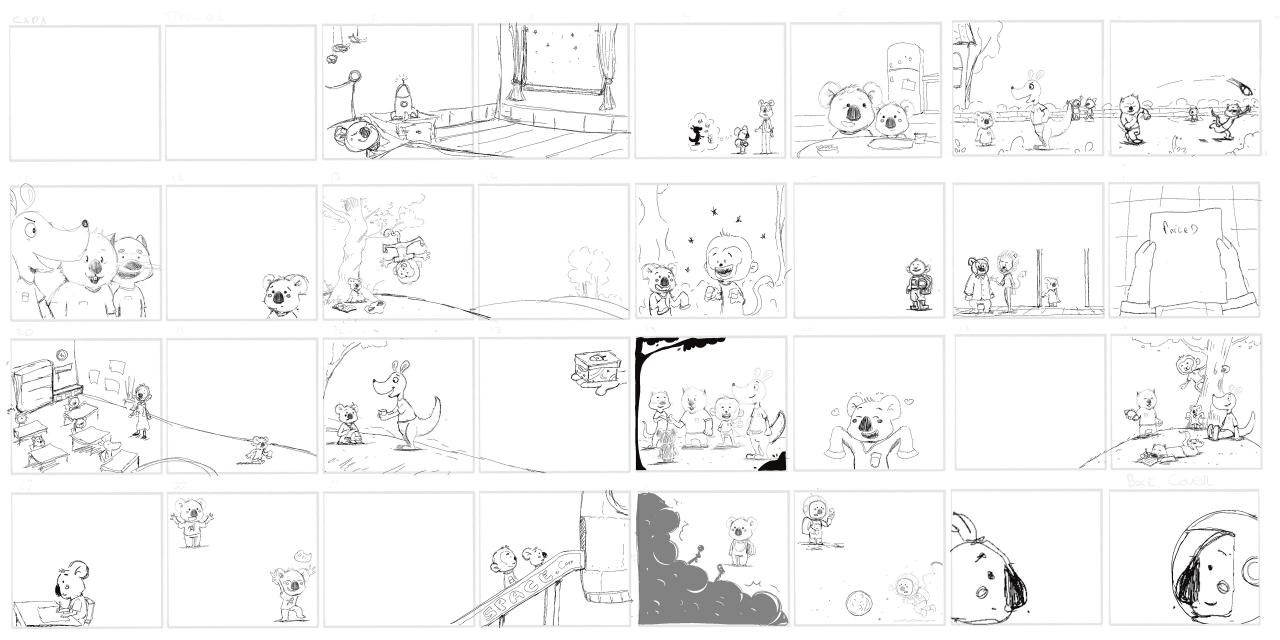
Whether it’s through magical adventures or heartwarming tales, these books weave lessons of courage and kindness, making them essential tools for nurturing the dreams of future generations. They bridge the gap between fantasy and reality, showing young readers that they can achieve anything they set their minds to.
In today’s fast-paced world, the importance of effective communication cannot be overstated. As we navigate through our daily routines, whether in the workplace or in our personal lives, the ability to convey thoughts clearly and understand others is essential. This article delves into the various aspects of communication, emphasizing its significance, the barriers that can arise, and strategies to enhance our communication skills.Effective communication is the cornerstone of successful relationships, both personal and professional.
It involves not just the exchange of words but also the interpretation of non-verbal cues, tone, and context. Good communicators are not only articulate but also attentive listeners. They create an environment where ideas can be shared freely, leading to productive discussions and collaborative problem-solving. Whether you’re negotiating a business deal, catching up with friends, or presenting a proposal, the way you communicate can significantly impact the outcome.One major aspect of communication is the clarity of the message being conveyed.
To communicate effectively, it is crucial to have a clear understanding of what you want to say. This often involves organizing your thoughts beforehand and being mindful of your audience. Tailoring your message to suit the listener’s background, knowledge, and expectations can enhance understanding. For instance, using technical jargon might be appropriate when addressing industry experts, but it could alienate a layperson.
Thus, adapting your language plays a vital role in ensuring that your message resonates.Another critical factor in effective communication is active listening. This means being fully present in the conversation, which involves not only hearing the words but also understanding the emotion and intent behind them. Active listening fosters a sense of respect and validation, making the speaker feel heard and valued.
Techniques such as paraphrasing what the other person has said or asking clarifying questions can demonstrate your engagement and help prevent misunderstandings.However, despite our best efforts, communication barriers can arise. These barriers can be psychological, cultural, or even physical. Psychological barriers include personal biases and preconceived notions that can cloud judgment and hinder open discussions. For example, if a participant enters a meeting with a negative mindset, they may misinterpret constructive feedback as criticism.
To overcome such barriers, individuals must cultivate self-awareness and be willing to challenge their assumptions.Cultural barriers often manifest in diverse settings where individuals come from different backgrounds. Variations in language, customs, and communication styles can lead to misunderstandings. For instance, in some cultures, direct eye contact is seen as a sign of confidence, while in others, it might be interpreted as disrespect.
To bridge cultural gaps, it is essential to approach conversations with an open mind and a willingness to learn about and appreciate different perspectives.Physical barriers, such as distance or technological issues, can also impede effective communication, especially in our increasingly digital world. Remote work has become commonplace, and while technology enables communication across great distances, it can also lead to misinterpretations when nuances are lost in text-based formats.
The absence of non-verbal cues, such as facial expressions and gestures, can make it challenging to gauge the emotional tone of a conversation. To mitigate these issues, it’s often helpful to utilize video calls or voice messages to add a personal touch or clarify meaning.In addition to recognizing barriers, it’s important to develop strategies for enhancing communication skills. One effective method is to practice mindfulness in conversations.
Being mindful means focusing entirely on the person you are communicating with and setting aside distractions. This practice not only improves listening skills but also allows for a deeper understanding of the speaker’s message. Another strategy is to become more familiar with the art of storytelling. Humans are naturally drawn to stories, and weaving narratives into your communication can capture your audience’s attention and make your message more relatable.
When sharing information, try to frame it within a story that illustrates your point. This approach can make complex ideas more accessible and memorable.Moreover, feedback plays a critical role in the communication process. Providing constructive feedback encourages a two-way dialogue and fosters an environment of continuous improvement. It’s essential to offer feedback in a way that is respectful and supportive, focusing on behaviors rather than personal attributes.
Similarly, being open to receiving feedback can enhance your communication skills significantly. Embracing criticism as a learning opportunity allows you to grow and adapt your approach in future interactions.Finally, the role of technology in communication cannot be understated. While it has its challenges, technology also offers numerous tools that can enhance our communication efforts. From instant messaging platforms to collaborative software, these tools can facilitate quick exchanges and streamline workflows.
However, it’s crucial to strike a balance and not allow technology to replace genuine human interaction. Face-to-face communication remains invaluable, especially when discussing sensitive or complex topics that require empathy and understanding.In conclusion, mastering the art of communication is an ongoing journey that requires continuous effort and reflection. By understanding the nuances of conveying messages, practicing active listening, and being aware of potential barriers, we can significantly improve our communication skills.
Embracing mindfulness, storytelling, and constructive feedback, along with leveraging technology wisely, can enhance our interactions and foster meaningful connections. As we continue to evolve in a world that thrives on communication, let’s commit to becoming better communicators for our own benefit and the benefit of those around us.