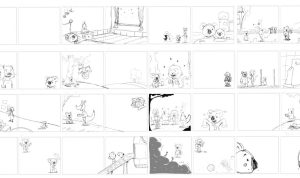
Best Bedtime Storybooks for Preschoolers sets the stage for a magical journey into the world of storytelling. As the sun sets and bedtime approaches, parents often seek captivating tales that spark imagination and soothe little ones to sleep. These storybooks do more than entertain; they create a special bonding moment between parent and child, fostering a love for reading from an early age.
In this exploration, we will delve into a selection of enchanting bedtime stories tailored for preschoolers, focusing on their themes, illustrations, and the vital role they play in early childhood development.
In today’s fast-paced world, the significance of effective communication cannot be overstated. Whether in personal relationships, professional settings, or casual encounters, the way we convey our thoughts and ideas plays a crucial role in shaping our interactions with others. In this article, we will explore the various facets of communication, including its importance, different forms, and strategies to enhance our skills, all while ensuring our discussion remains casual yet formal enough for a wide audience.
The Importance of Communication
Communication serves as the backbone of human interaction. It allows us to express our needs, share our thoughts, and build relationships. Poor communication can lead to misunderstandings, conflict, and a breakdown in relationships—whether personal or professional. On the other hand, effective communication fosters understanding, collaboration, and trust among individuals.
For instance, in the workplace, clear communication can enhance teamwork and productivity. When team members can articulate their thoughts and ideas without ambiguity, projects are more likely to be completed efficiently and effectively. Moreover, good communication is key to leadership; leaders must convey their vision and motivate their teams to align with that vision.
Different Forms of Communication
Communication can be broadly categorized into verbal, non-verbal, written, and visual. Each type plays a crucial role in our interactions:
1. Verbal Communication
This is the most common form of communication, involving spoken words. Verbal communication can occur face-to-face, over the phone, or through video calls. Tone of voice, pitch, and pace are all critical elements that can influence the message conveyed.
2. Non-Verbal Communication
Often, what we say is not as impactful as how we say it. Non-verbal cues such as body language, facial expressions, and gestures can convey feelings and attitudes that words alone may not express. For example, a smile can demonstrate friendliness, while crossed arms may indicate defensiveness.
3. Written Communication
This encompasses emails, reports, texts, and any other written form of conveying information. Clarity and conciseness are key in written communication to ensure that the message is understood without misinterpretation.
4. Visual Communication
This includes the use of imagery, graphs, and charts to convey information. Visual aids can enhance understanding and retention of information, making them valuable tools in presentations or educational settings.
Strategies to Enhance Communication Skills
Improving communication skills is a continuous process that requires commitment and practice. Here are several strategies that can help enhance your ability to communicate effectively:
1. Active Listening
Listening is an essential component of communication. Active listening involves fully concentrating on what the other person is saying, understanding their message, and responding thoughtfully. Avoid interrupting and allow the speaker to finish before responding. This not only shows respect but also aids in comprehending their viewpoint better.
2. Be Clear and Concise
When conveying your message, aim for clarity and brevity. Avoid jargon or overly complex language that may confuse your audience. Instead, use straightforward language and get straight to the point to facilitate understanding.
3. Empathy
Understanding the emotions and perspectives of others can significantly improve communication. Practice empathy by considering how the other person may feel and adjusting your approach accordingly. This can help in resolving conflicts and fostering a more collaborative environment.
4. Practice Public Speaking
Whether in a formal presentation or a casual group discussion, practicing public speaking can enhance your confidence and ability to articulate your thoughts. Joining a local Toastmasters club or participating in community programs can provide excellent opportunities for practice.
5. Seek Feedback
After communicating, whether in a meeting or social gathering, consider seeking feedback from others. Ask for their impressions of your communication style and areas for improvement. This feedback can be invaluable in refining your skills.
6. Non-Verbal Awareness
Being aware of your own body language and non-verbal cues, as well as those of others, can enhance your communication experience. Ensure that your non-verbal signals align with your verbal message to avoid mixed signals.
7. Adaptability

Different situations may require different communication styles. Be adaptable in your approach and assess the context and audience to determine the most effective way to convey your message.
The Role of Technology in Communication
In recent years, technology has transformed the way we communicate. Social media platforms, instant messaging, and video conferencing tools have made it easier to connect with others across vast distances. However, this shift also presents challenges, such as the potential for miscommunication due to the lack of non-verbal cues. It’s essential to be mindful of how technology affects communication dynamics and to use it purposefully.
For instance, while emails and texts are convenient, they can often lead to misunderstandings if tone and intent are not clear. Therefore, it’s vital to take extra care in crafting written communication and to use emojis or other cues judiciously to convey tone when appropriate.
Moreover, remote work has become commonplace, and effective communication in virtual settings is critical. Learning to navigate video calls, utilizing visual aids efficiently, and maintaining engagement with remote colleagues can significantly impact team dynamics and productivity.
Overcoming Common Communication Barriers
Even with the best intentions, barriers to effective communication can arise. Identifying and addressing these barriers is crucial for improving interactions:
1. Cultural Differences
Communication styles can vary widely across cultures. Being aware of and respecting these differences can help mitigate misunderstandings. For example, certain gestures or expressions may carry different meanings in different cultures.
2. Emotional Barriers
Emotions can cloud judgment and affect communication. If you’re feeling angry or anxious, it might be challenging to express your thoughts clearly. Taking a moment to compose yourself before engaging in conversation can lead to more productive discussions.
3. Physical Barriers
Noise, distance, and other physical factors can hinder communication. Strive to create an environment conducive to open dialogue, whether that means finding a quiet space to converse or using technology to bridge physical gaps.
4. Perceptual Barriers
People may perceive messages differently based on their past experiences or biases. To overcome this, focus on delivering messages in a way that considers diverse perspectives and backgrounds.
Conclusion
In conclusion, effective communication is essential for building strong relationships, fostering teamwork, and enhancing personal and professional growth. By understanding the different forms of communication, employing strategies to improve our skills, and being mindful of the role technology plays, we can navigate the complexities of human interaction more effectively. Remember that communication is not merely about exchanging words; it’s about creating connections and understanding one another.
With practice and dedication, anyone can enhance their communication skills and enjoy more fruitful interactions.