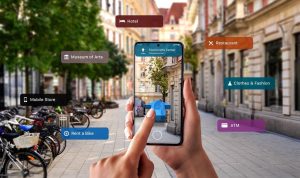
How 5G Technology Will Transform Communication marks an exciting new chapter in how we connect with one another in an increasingly digital world. With the promise of lightning-fast speeds, minimal latency, and greater connectivity, 5G is set to revolutionize communication across various sectors, from personal interactions to business operations. This technology not only enhances existing communication methods but also paves the way for innovations that could redefine our everyday experiences.
As we delve deeper into this topic, it’s essential to understand how 5G operates, the impact it has on current communication frameworks, and the potential challenges and opportunities that lie ahead. With its transformative capabilities, 5G technology is poised to enhance everything from mobile communication to smart city infrastructure, reshaping how we communicate now and in the future.
In today’s hyper-connected world, the significance of effective communication has never been more pronounced. From interpersonal relationships to business dealings, the ability to convey thoughts clearly and persuasively can make a significant difference in outcomes. Whether you’re drafting an email, giving a presentation, or engaging in casual conversation, the nuances of communication play a pivotal role in the message being conveyed and received.Let’s delve deeper into the essence of communication, exploring various aspects such as the importance of clarity, the role of non-verbal cues, the impact of cultural differences, and the evolution of communication tools.
By examining these elements, we can better appreciate the art of communication and its implications in our daily lives.### The Importance of ClarityClarity is arguably the cornerstone of effective communication. When your message is clear, it increases the likelihood of it being understood as intended. This is particularly crucial in professional settings where miscommunication can lead to costly errors or misunderstandings.

One way to achieve clarity is through simplicity. Using straightforward language, avoiding jargon, and structuring your message in a logical manner can all contribute to clearer communication. For instance, instead of saying, “We need to leverage our synergies to optimize our workflows,” you might say, “Let’s work together to improve how we do our tasks.” This not only simplifies the language but also makes it more relatable.### The Role of Non-Verbal CuesWhile verbal communication is essential, non-verbal cues often speak louder than words.
Body language, facial expressions, and eye contact can all influence how a message is interpreted. For example, crossing your arms while speaking may signal defensiveness or disinterest, whereas maintaining an open posture can convey approachability and confidence.It’s important to be aware of these non-verbal signals, not just in yourself but also in others. Being attuned to someone’s body language can provide additional context to their spoken words, helping you to navigate conversations more effectively.
In a business meeting, for instance, observing colleagues’ reactions can inform you whether they are receptive to your ideas or need further persuasion.### The Impact of Cultural DifferencesCommunication is not a one-size-fits-all endeavor; cultural differences play a significant role in shaping how messages are sent and received. What may be considered polite in one culture could be seen as rude in another.
For example, in some cultures, maintaining eye contact is a sign of confidence and engagement, while in others, it may be viewed as disrespectful.When engaging with individuals from diverse backgrounds, it’s essential to approach communication with sensitivity and an open mind. Familiarizing yourself with cultural norms can help you avoid misunderstandings and foster stronger relationships. For example, understanding that some cultures prefer indirect communication can guide you in framing your messages more appropriately.### The Evolution of Communication ToolsThe tools we use for communication have evolved dramatically over the years, and this evolution has reshaped how we connect with others.
From handwritten letters to instant messaging apps, the ways we share information have become faster and more convenient.Social media platforms have particularly transformed interpersonal communication. They allow for real-time interactions and the sharing of ideas and experiences across the globe. However, while these platforms can enhance connectivity, they also introduce challenges, such as the potential for misinterpretation due to the lack of non-verbal cues and the permanence of online interactions.### The Balance Between Formality and CasualnessIn professional communication, finding the right balance between formality and casualness is key.
While a formal tone may be appropriate in some contexts, overly rigid language can create barriers and make interactions feel less genuine. On the other hand, being too casual may lead to perceptions of unprofessionalism.A good approach is to tailor your communication style to your audience. For instance, when addressing colleagues you know well, a more relaxed tone may be suitable.
In contrast, when communicating with senior management or clients, maintaining a level of professionalism is essential. Striking this balance can help build rapport while also conveying respect.### Listening: The Other Half of CommunicationEffective communication is a two-way street, and listening is just as important as speaking. Active listening involves fully engaging with the speaker, showing empathy, and providing feedback. This not only helps in understanding the message but also demonstrates respect for the speaker’s perspective.To practice active listening, focus on the speaker without distractions, nod in acknowledgment, and ask clarifying questions.
This shows that you value their input and are interested in a meaningful exchange of ideas. In team settings, fostering a culture of active listening can improve collaboration and innovation, as team members feel heard and valued.### Overcoming Communication BarriersDespite our best efforts, communication barriers can still arise. These may stem from language differences, emotional states, or environmental factors. To overcome these barriers, it’s essential to remain patient and adaptable.For instance, if language differences pose a challenge, consider using visual aids or simplifying your language.
If emotions are running high, allow for a break to cool down before resuming the conversation. In noisy environments, relocating to a quieter space can enhance clarity and focus.### ConclusionIn conclusion, mastering the art of communication is an ongoing journey that requires practice and mindfulness. By prioritizing clarity, being aware of non-verbal cues, understanding cultural differences, and adapting to various communication tools, we can improve our ability to connect with others.
Whether in personal relationships or professional settings, effective communication fosters understanding, collaboration, and ultimately success. As we continue to navigate this dynamic landscape, let’s strive to enhance our communication skills and embrace the rich tapestry of interactions that life offers.
Clarifying Questions: How 5G Technology Will Transform Communication
What is 5G technology?
5G technology is the fifth generation of mobile network technology, designed to offer faster speeds, increased capacity, and lower latency compared to previous generations.
How will 5G improve mobile communication?
5G will improve mobile communication by providing faster download and upload speeds, enabling high-quality video calls, and allowing for more devices to connect simultaneously without network congestion.
Will 5G technology impact businesses?
Yes, 5G technology will impact businesses by enhancing operational efficiency, enabling real-time data exchange, and supporting advanced technologies like IoT and AI, leading to improved services and customer experiences.
What challenges does 5G face?
Some challenges include the need for extensive infrastructure upgrades, potential health concerns, and ensuring equitable access to the technology across different regions.
When will 5G be widely available?
While 5G deployment is already underway in many areas, widespread availability will vary by region, with full coverage expected to take several years as infrastructure continues to develop.