Best Software for Podcast Creation and Editing is your gateway to mastering the art of podcasting. With the rise of digital audio content, finding the right tools can make all the difference between a mediocre podcast and an engaging one. Whether you’re an aspiring podcaster or a seasoned creator, understanding the software landscape is crucial in crafting compelling audio stories that resonate with your audience.
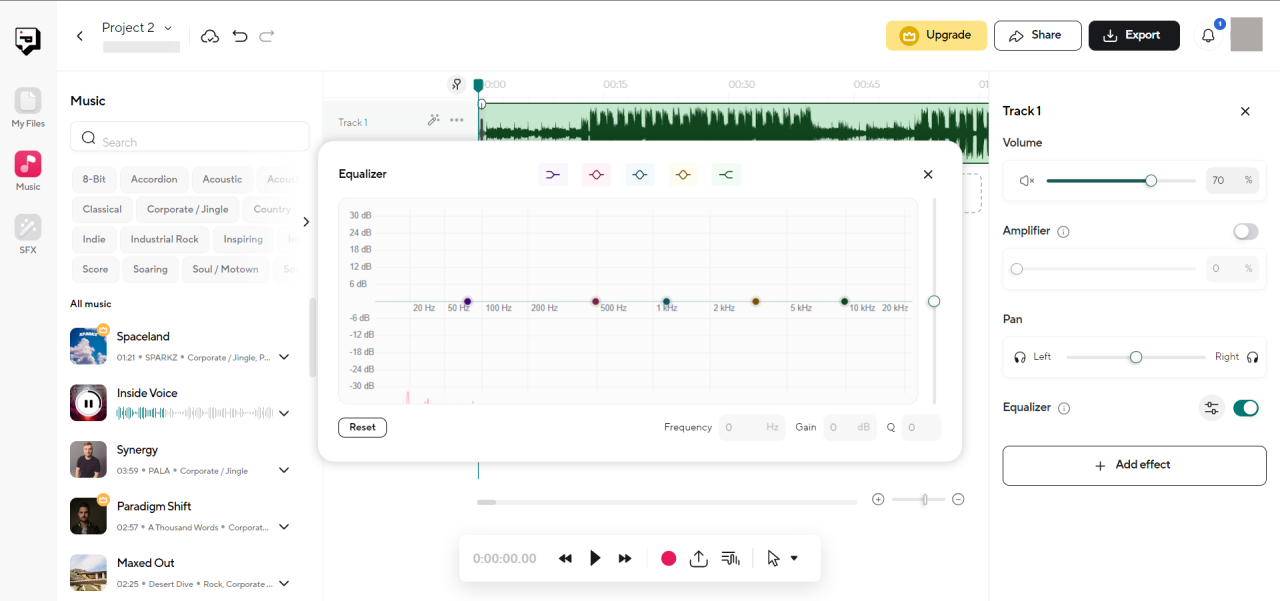
This journey through podcasting software will explore various options available for recording, editing, and enhancing your audio content. From user-friendly platforms to advanced editing suites, we’ll break down the features that set these tools apart and help you identify which software aligns best with your podcasting needs.
In today’s fast-paced world, the importance of effective communication cannot be overstated. Whether in professional environments, academic settings, or casual interactions, the ability to convey thoughts clearly and persuasively is a vital skill. This article will explore various facets of communication, including its components, barriers, and strategies to enhance one’s communication abilities.To kick things off, let’s break down the essentials of communication.
At its core, communication involves the transmission of information from one individual to another. This can occur through verbal means, such as speaking and listening, or non-verbal methods, including body language, facial expressions, and even written forms like emails and texts. All these elements work together to create a comprehensive communication experience. Verbal CommunicationVerbal communication is perhaps the most straightforward form of interaction.
It encompasses spoken words and is characterized by tone, pitch, and speed. The way we articulate our words can significantly influence how our message is received. For instance, a calm and steady tone can convey confidence and assurance, while a shaky or high-pitched voice may suggest nervousness or uncertainty.Moreover, active listening is a crucial aspect of verbal communication. It involves engaging with the speaker, showing attentiveness through nodding or verbal affirmations, and providing feedback.
This two-way engagement not only enhances understanding but also fosters a more collaborative environment. Non-Verbal CommunicationThen, we have non-verbal communication, which often speaks louder than words. Body language, for instance, can reveal a person’s feelings or attitude toward a conversation. Crossing arms might indicate defensiveness, while maintaining eye contact can demonstrate interest and sincerity. Understanding these cues is essential for effective communication, as they can either support or contradict verbal messages.Additionally, cultural differences can play a significant role in non-verbal communication.
What might be considered a friendly gesture in one culture could be seen as offensive in another. Therefore, being aware of these differences is critical, especially in a globalized world. Written CommunicationAs digital communication becomes increasingly prevalent, written communication has taken on new significance. Emails, reports, and text messages are now primary modes of business and social interactions. Clarity and conciseness are paramount in written communication.
The reader’s attention span is often limited, so it’s essential to get to the point quickly while ensuring that the message is clear. Using active voice, bullet points, and proper formatting can aid in making written communication more digestible. Furthermore, the importance of proofreading cannot be underestimated. Grammatical mistakes or unclear phrasing can lead to misunderstandings and diminish professionalism. Barriers to Effective CommunicationWhile communication is an essential skill, it is often hampered by various barriers.
One common barrier is the presence of noise—both literal and metaphorical. Literal noise, such as background chatter, can disrupt conversations. On the other hand, metaphorical noise includes distractions like stress, biases, and preconceived notions that can cloud judgment and interpretation.Another barrier is language differences. In a multicultural environment, the use of jargon, idioms, or complex vocabulary can alienate individuals who are not familiar with the language.
Striving for simplicity and clarity can help bridge this gap. Strategies to Enhance Communication SkillsNow that we’ve identified key components and barriers to communication, let’s discuss strategies to improve our communication skills.
1. Practice Active Listening
Make a conscious effort to listen more than you speak. This not only improves understanding but also makes the speaker feel valued and heard.
2. Seek Feedback
Don’t hesitate to ask for feedback on your communication style. Constructive criticism can provide insights into areas for improvement.
3. Be Mindful of Non-Verbal Signals
Pay attention to your body language and that of others. Being aware can help you adjust your approach in real-time.
4. Tailor Your Message
Consider your audience and adjust your language and tone accordingly. What works in a casual setting may not be appropriate in a professional meeting.
5. Continuous Learning
Communication is an evolving skill. Attend workshops, read books, or take online courses to keep honing your abilities.
6. Stay Calm Under Pressure
In challenging conversations, remain composed. Taking deep breaths and maintaining a steady voice can help you manage anxiety and convey confidence.
7. Develop Empathy
Understanding the perspectives of others can significantly enhance communication. Empathy fosters connection and reduces misunderstandings. ConclusionIn conclusion, communication is a multifaceted skill that plays a crucial role in our personal and professional lives. By understanding its components, recognizing potential barriers, and employing practical strategies for improvement, we can enhance our ability to connect with others. Whether you’re giving a presentation at work, engaging in a casual conversation, or writing an email, effective communication is key to success.
So, invest time in developing this invaluable skill and watch how it transforms your interactions for the better.
Essential Questionnaire: Best Software For Podcast Creation And Editing
What features should I look for in podcast editing software?
Look for features like multi-track editing, noise reduction, easy file sharing, and user-friendly interfaces.
Can I use free software for podcasting?
Yes, many free options offer great basic functionalities, but you may want to upgrade for advanced features.
Is it necessary to have advanced editing skills for podcasting?
No, while advanced skills can enhance your podcast, many software options offer intuitive tools that cater to beginners.
What is the average cost of podcast editing software?
Prices can range from free to several hundred dollars, depending on the features and subscription plans you choose.
Can I record and edit my podcast on the same software?
Yes, many podcasting software solutions offer both recording and editing capabilities, making the process seamless.