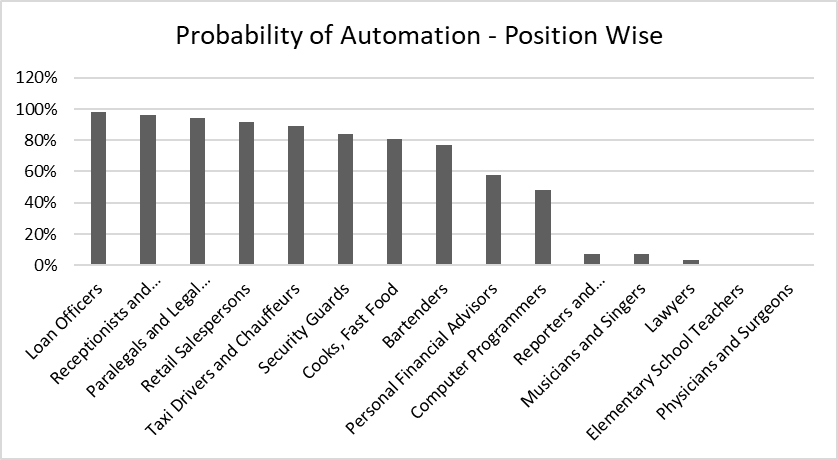
The Impact of Software Automation on the Job Market presents a crucial exploration of how technological advancements are reshaping employment landscapes. As automation becomes increasingly integrated into various industries, it’s essential to understand both the opportunities and challenges that arise. This discussion will delve into the implications of software automation on job creation, workforce skill requirements, and the overall economy, inviting readers to consider how these changes affect their professional futures.
By examining the intersection of technology and employment, we can uncover the evolving nature of work in a digitally driven environment. The rise of automation is not just about efficiency; it also redefines roles and responsibilities across sectors, prompting a reevaluation of what skills will be necessary in the coming years.
In today’s fast-paced world, the significance of effective communication cannot be overstated. Whether in personal relationships, professional settings, or casual interactions, the ability to convey thoughts and ideas clearly and concisely is paramount. This article delves into the art of communication, exploring its various aspects, techniques, and importance in our daily lives.Communication is often defined as the transfer of information from one entity to another.
This process can take many forms, including verbal, non-verbal, written, and visual communication. Each type plays a crucial role in how we interact with each other. For instance, verbal communication involves the use of spoken words, which is fundamental in face-to-face conversations, phone calls, and meetings. On the other hand, non-verbal communication encompasses body language, facial expressions, gestures, and eye contact, which often convey more meaning than words alone.Written communication is another essential component, especially in our digital age.
Emails, text messages, and social media posts have become primary means of communication for many. The ability to articulate thoughts in writing is vital, as it often represents our ideas permanently and can be referenced later. Clear and concise writing helps avoid misunderstandings and ensures the intended message is received without ambiguity.Visual communication, which includes graphics, charts, and images, is increasingly important in conveying complex information quickly and effectively.
In business presentations or educational settings, visual aids can enhance understanding and retention of information, making them valuable tools for both presenters and audiences.Now, let’s examine some effective communication techniques that can significantly enhance our interactions:
1. Active Listening
Effective communication is a two-way street. To truly understand and connect with others, it’s essential to practice active listening. This means fully concentrating on what the speaker is saying, rather than merely waiting for your turn to respond. By acknowledging thoughts and feelings through verbal affirmations and non-verbal cues, you demonstrate respect and empathy towards the speaker.
2. Clarity and Conciseness
When conveying a message, it’s vital to be clear and concise. Avoid using jargon and complicated language that may confuse the recipient. Instead, aim for simplicity and directness, making it easier for others to grasp your ideas. This is especially important in professional settings, where time is often limited, and clarity is key.
3. Empathy
Showing empathy in communication fosters deeper connections with others. It involves understanding and acknowledging the feelings and perspectives of the person you are communicating with. By putting yourself in their shoes, you create a more supportive and inclusive environment, encouraging open dialogue.
4. Body Language and Tone
Non-verbal cues can speak volumes. Being aware of your body language and tone of voice can greatly influence how your message is received. For example, maintaining eye contact can convey confidence and engagement, while a warm tone can create a comfortable atmosphere for discussion.
5. Feedback
Providing and receiving feedback is an integral part of effective communication. Constructive feedback helps individuals improve and grow, while receiving feedback graciously shows maturity and willingness to learn. Encouraging an environment where feedback is welcomed can lead to more fruitful exchanges.
6. Adaptability
Every individual is unique, and so are their communication styles. Being adaptable to different communication preferences and styles can enhance mutual understanding. This might involve adjusting your approach when interacting with someone who prefers direct communication versus someone who appreciates a more relational style.Now, let’s touch on the importance of communication in various contexts:### In Personal RelationshipsCommunication is the backbone of any healthy relationship.
Whether it’s with family, friends, or romantic partners, open and honest dialogue fosters trust and intimacy. Regular communication helps address misunderstandings before they escalate, and sharing thoughts and feelings can strengthen bonds. It’s essential to create a safe space for partners to express themselves without fear of judgment.### In the WorkplaceIn a professional environment, effective communication is crucial for teamwork and productivity.
Clarity in instructions, feedback, and expectations can prevent errors and enhance collaboration. Moreover, strong communication skills can open doors to leadership opportunities, as the ability to inspire and motivate others is a highly valued trait in any organization.### In EducationFor educators and students alike, communication is vital for a successful learning experience. Teachers must clearly articulate lesson plans and concepts, while students should feel empowered to ask questions and express their thoughts.
Engaging in discussions fosters critical thinking and helps students develop their viewpoints.### In Conflict ResolutionConflicts are inevitable, but effective communication can help resolve them constructively. Understanding the opposing viewpoints and expressing your own feelings can lead to a more amicable resolution. Active listening and empathy play crucial roles in navigating disputes, as they allow for a better understanding of the root causes and facilitate a collaborative approach to finding solutions.### In Public SpeakingWhether addressing a crowd in a formal presentation or speaking at a community event, public speaking skills are essential.
Effective communication in this context involves not only the content of the speech but also the delivery. Engaging the audience through storytelling, humor, and relatable examples can make a significant impact.### The Impact of TechnologyIn the digital era, technology has revolutionized the way we communicate. Social media platforms, video conferencing tools, and instant messaging apps have made it easier to connect with others, regardless of geographical barriers.
However, this convenience can also lead to challenges, such as misinterpretations of tone or intention, making it vital to be mindful of how we communicate in digital spaces.In conclusion, effective communication is a multifaceted skill that plays a crucial role in nearly every aspect of our lives. By honing our communication techniques, we can build stronger relationships, enhance our professional lives, and contribute to a more understanding and empathetic society.
Whether through verbal, non-verbal, written, or visual means, mastering the art of communication is essential for personal growth and societal development.