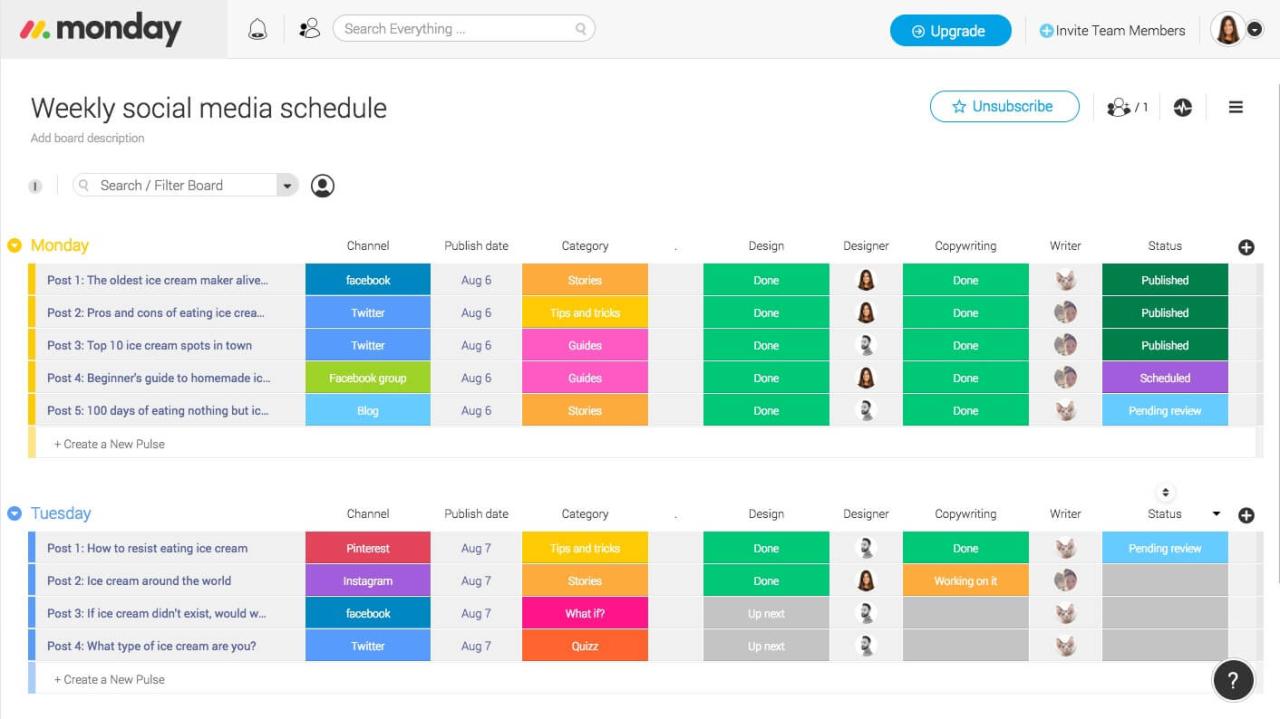
Choosing the Right Project Management Software for Your Team is an essential consideration for any organization looking to enhance productivity and streamline workflows. With a myriad of options available today, the right software can transform the way teams collaborate, plan, and execute projects. Understanding the key features, costs, and functionalities of various tools can lead to informed decisions that align with your team’s specific needs.
As projects become increasingly complex and teams more dispersed, leveraging technology for effective project management is crucial. This overview will guide you through the essential elements to consider when selecting software that best fits your team’s dynamics and objectives.
In today’s fast-paced world, understanding the importance of mental health has become paramount. The conversation surrounding mental health has evolved significantly over the past few decades, moving from a taboo topic to a vital aspect of overall well-being. Mental health encompasses our emotional, psychological, and social well-being, influencing how we think, feel, and act. It also plays a crucial role in how we handle stress, relate to others, and make choices.
In this article, we will explore various facets of mental health, its importance, and ways to maintain it.First and foremost, let’s discuss why mental health matters. Just as we take care of our physical health through exercise, nutrition, and regular check-ups, mental health requires the same level of attention and care. Poor mental health can lead to a range of issues, including anxiety, depression, and other mood disorders.
These conditions not only affect individuals but can also have a ripple effect on families, workplaces, and communities as a whole. By prioritizing mental health, we contribute to a more productive and harmonious society.One major factor contributing to the decline of mental health is the increasing stressors in our modern lives. Factors such as work pressures, financial instability, and social isolation can all take a toll on our mental well-being.
It’s crucial to recognize these stressors and address them head-on. Practicing mindfulness and stress management techniques can be incredibly beneficial. Mindfulness, for instance, encourages individuals to be present in the moment, which can alleviate feelings of anxiety and stress.Moreover, fostering social connections is another fundamental aspect of mental health. Humans are inherently social creatures, and maintaining relationships with family, friends, and colleagues can provide essential support during difficult times.
Engaging in social activities, whether through clubs, volunteering, or simply spending time with loved ones, can enhance our emotional resilience. Studies have shown that strong social networks can significantly reduce the risk of mental health disorders.In addition to social connections, engaging in physical activity is a powerful tool for boosting mental health. Exercise releases endorphins, often referred to as “feel-good” hormones, which can elevate mood and provide a sense of well-being.
Incorporating regular physical activity into your routine doesn’t have to be daunting; even simple activities like walking, dancing, or yoga can yield positive effects on mental health.Nutrition also plays a critical role in mental health. A well-balanced diet rich in fruits, vegetables, whole grains, lean proteins, and healthy fats can help improve mood and cognitive function. On the flip side, a poor diet high in processed foods and sugars can negatively impact mental well-being.
It’s essential to be mindful of what we consume, as our diet can influence our mental state.Another vital aspect of maintaining mental health is seeking professional help when needed. Therapy and counseling can provide individuals with the tools and strategies necessary to cope with various mental health challenges. Mental health professionals can offer a safe space to discuss feelings and provide guidance tailored to individual needs.
There is no shame in seeking help; in fact, it is a sign of strength and self-awareness.Additionally, educating ourselves and others about mental health can help reduce stigma and promote understanding. By discussing mental health openly, we create an environment that encourages individuals to seek help without fear of judgment. Schools, workplaces, and communities can play a significant role in raising awareness about mental health issues and promoting resources available for those in need.In recent years, the rise of technology and social media has also impacted mental health.
While technology can facilitate connections, it can also contribute to feelings of inadequacy and anxiety, particularly among young people. Social media platforms often portray unrealistic standards of living, leading to comparisons that can harm self-esteem. Limiting screen time and being mindful of social media consumption can contribute positively to mental well-being.It’s important to remember that maintaining mental health is an ongoing journey.
Just as physical health can fluctuate, so can mental health. Being patient with ourselves and recognizing that it’s okay to have off days is crucial. Practicing self-compassion and allowing ourselves the grace to experience a range of emotions can aid in the journey toward better mental health.In conclusion, mental health is a vital aspect of our overall well-being that deserves attention and care.
By prioritizing mental health, fostering social connections, engaging in physical activity, maintaining a balanced diet, seeking professional help, and educating ourselves and others, we can promote a healthier society. Let us work together to create an environment where mental health is openly discussed, understood, and prioritized, ensuring that everyone has the opportunity to thrive mentally and emotionally.